There are a huge number of hotels in Hong Kong and with so many to choose from, it can be really hard to decide where you should stay. This is especially true if it’s your first time visiting this incredibly busy and densely populated place. One look at a map littered with hotels to choose from and ‘must see’ landmarks will have your head spinning. After spending a few weeks in this incredible place and staying in a few different areas, I got a good feel for it and wanted to share with you my insight on the best places to stay in Hong Kong.
But first, watch this…
Getting Oriented
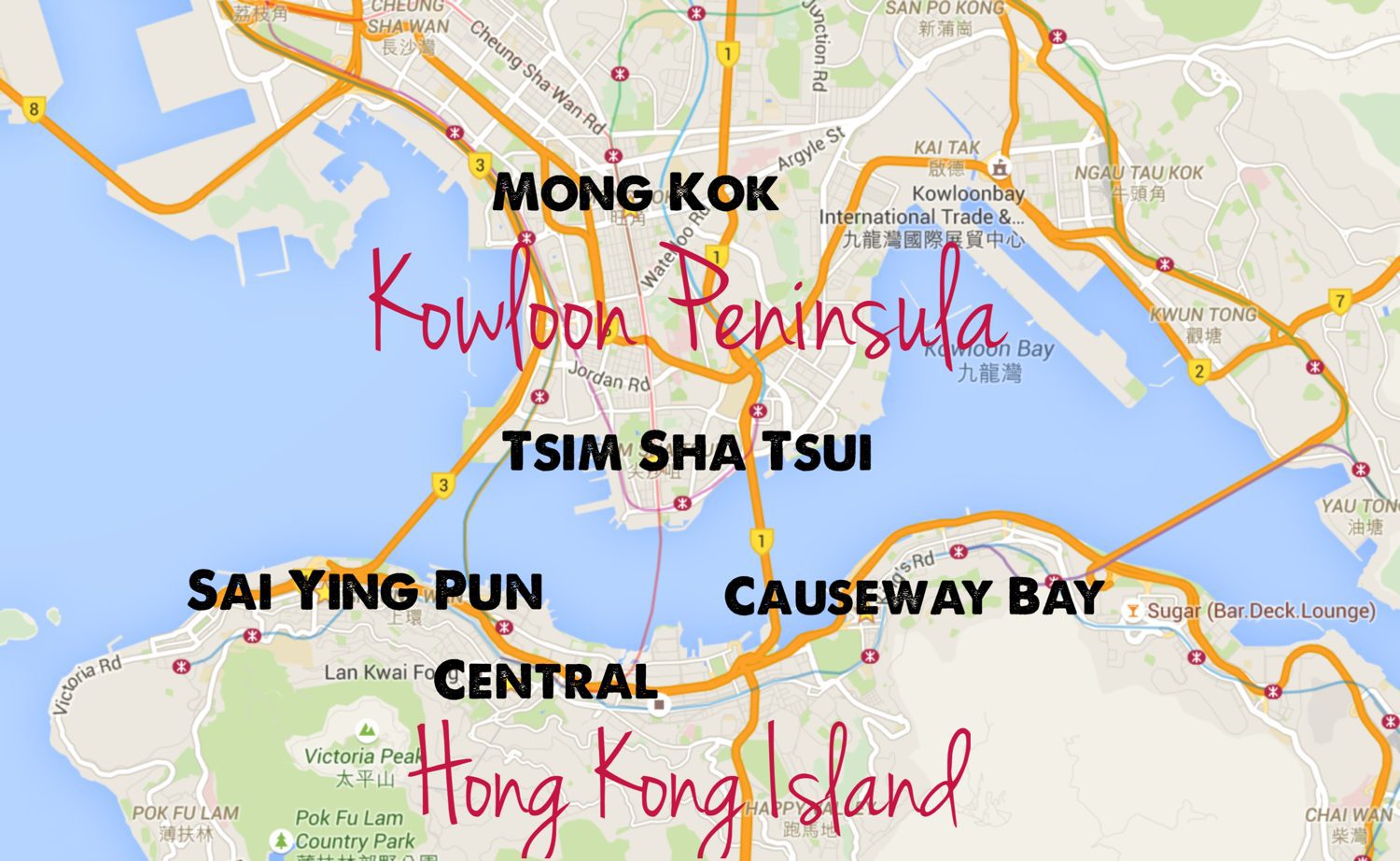
Hong Kong consists of a few main areas; Hong Kong Island, the Kowloon Peninsula, the New Territories and over 200 offshore islands, the largest being Lantau Island. For the purpose of being a tourist who wants to spend time exploring the main tourist attractions of Hong Kong, you should consider staying either on Hong Kong Island or the Kowloon Peninsula.
To help you get your head around things, here’s a map of Hong Kong with the headings of the main areas you should consider staying.
Kowloon Peninsula: Tsim Sha Tsui and Mong Kok. Hong Kong Island: Causeway Bay and Wan Chai, Central Hong Kong and Sai Ying Pun.
Causeway Bay and Wan Chai
Of all the places we stayed, Causeway Bay was my favourite and the place I would most recommend people stay. It is a built-up area of Hong Kong which also covers parts of Wan Chai, hence grouping them together in this guide. Causeway Bay borders the Eastern District of the Kowloon Peninsula and has a more traditional feel to it compared to other areas of Hong Kong. The area is one of Hong Kong’s major shopping districts with many local boutiques and known name-brand stores from all over the world. We loved staying here because it was easy to get around, there were plenty of places to eat and shop and it had a really relaxed vibe away from the main tourist attractions of Hong Kong. We spent two days exploring Mong Kok and Tsim Sha Tsui and found it easy to catch the MRT, Tram and Star Ferry to get around. After two days in these areas, we didn’t feel a need to go back there.
Find places to stay in Causeway Bay here
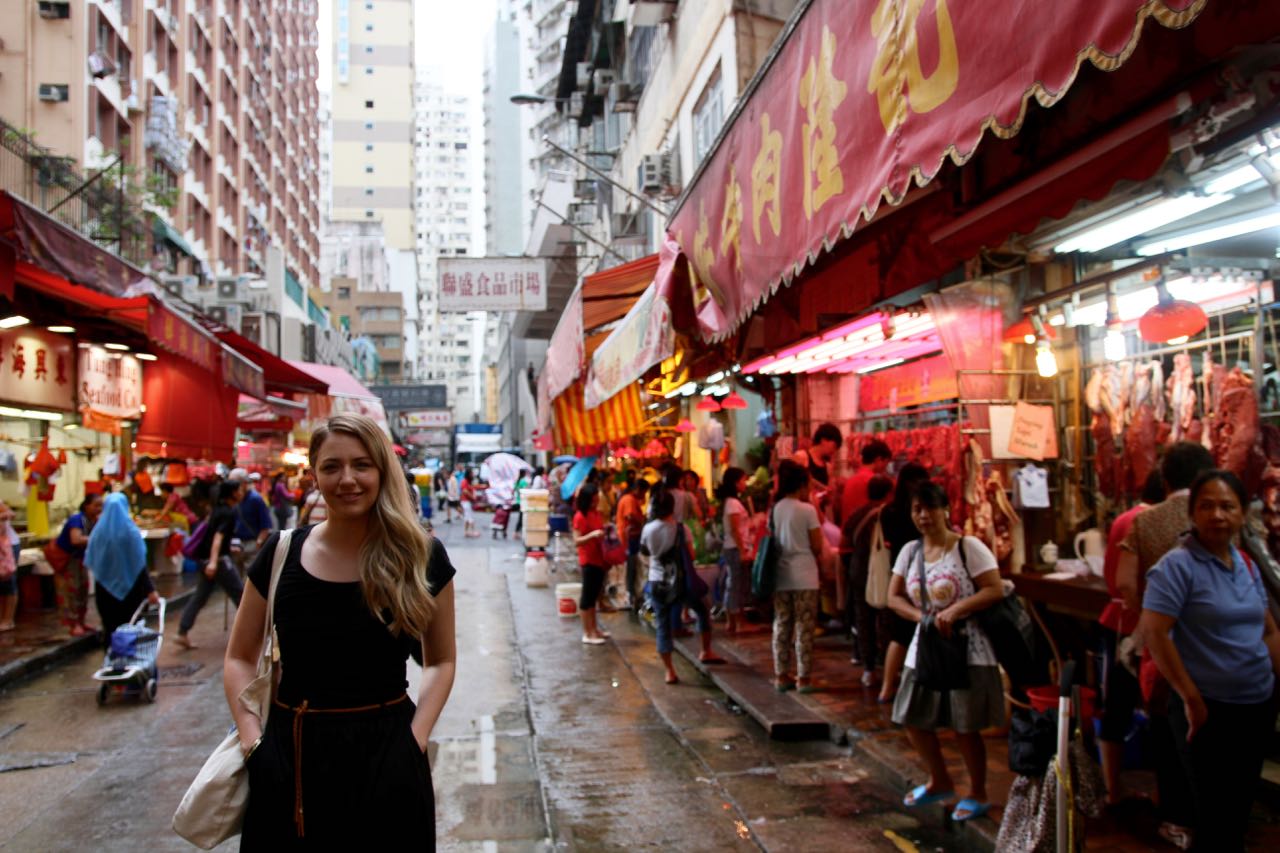
Central Hong Kong
Also known as Central District, or just Central, it is situated on the north shore of Hong Kong island across from Tsim Sha Tsui and is the southernmost point of Kowloon Peninsula. Given it is the central business district (CBD) of Hong Kong there are loads of very big, official-looking building with names you’ll recognise, like Bank of America. The area is home to a myriad of winding streets set back from the big buildings of the CBD, places like Gage Street, Aberdeen Street and Graham Street. These places are where you’ll find small wet markets and locals selling all kinds of things from electronics and plates to plants and food. It’s also home to some pretty old eateries selling traditional Hong Kong food. We visited Central quite a bit while we were in Hong Kong, choosing to visit for great bars, restaurants and cafes.
Find places to stay in Central here
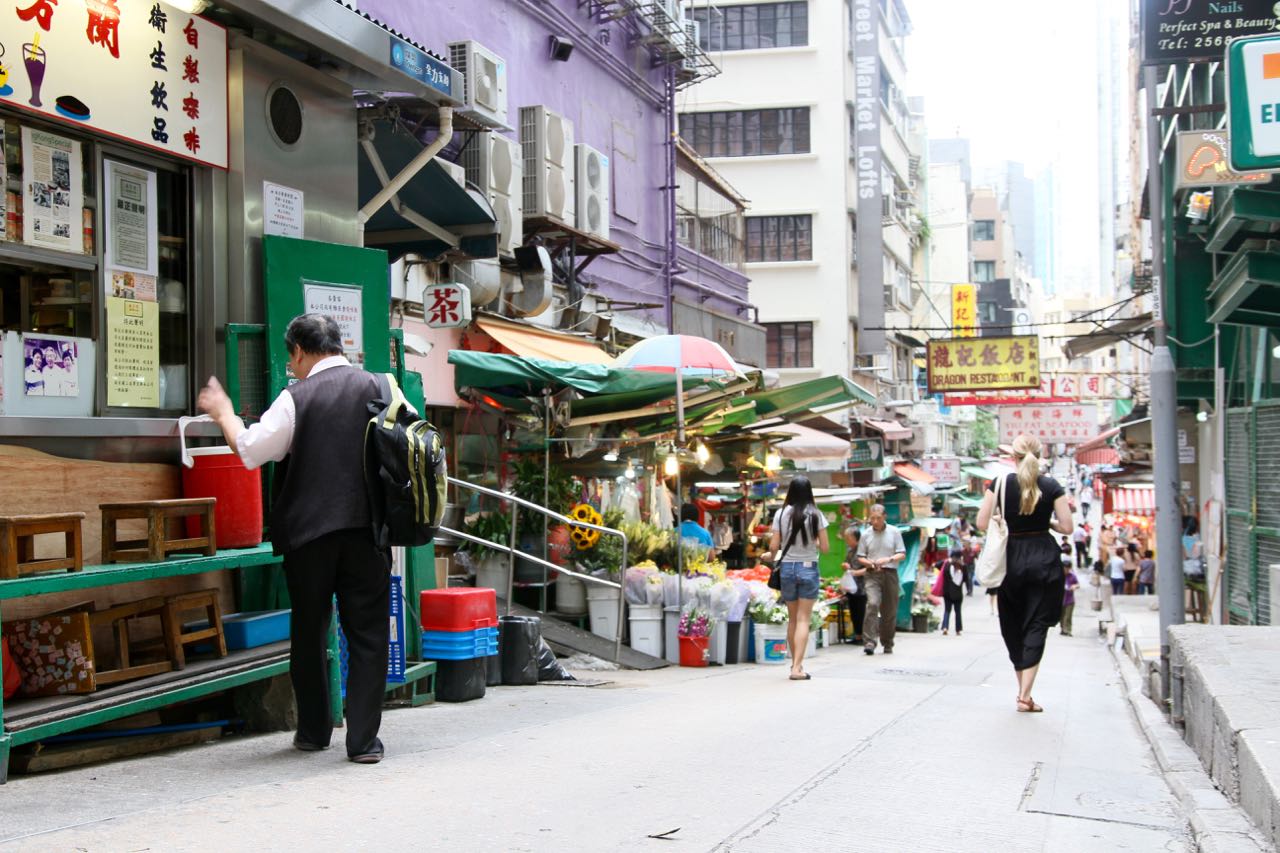
Sai Ying Pun
With great views of Victoria Harbour and Kowloon, Sai Ying Pun is a great place to find yourself a slightly more affordable luxury hotel with harbour views (compared to Tsim Sha Tsui). Sai Ying Pun is located in the Western District, in the northwestern area of Hong Kong Island and is one of the oldest areas of Hong Kong. Over the last few years, this area has become a hipsters paradise and is home to a large number of restaurants, cafes and shops mixed in with old-school Hong Kong shopfronts and wet market stalls. I found the area a bit boring and lacking some of the energy and local charm found in Causeway Bay and Wan Chai. We found ourselves getting bored staying here and craved more shops and places to eat and things to look at. It was, however, very easy to get to and from the airport by bus.
Find places to stay in Sai Ying Pun here
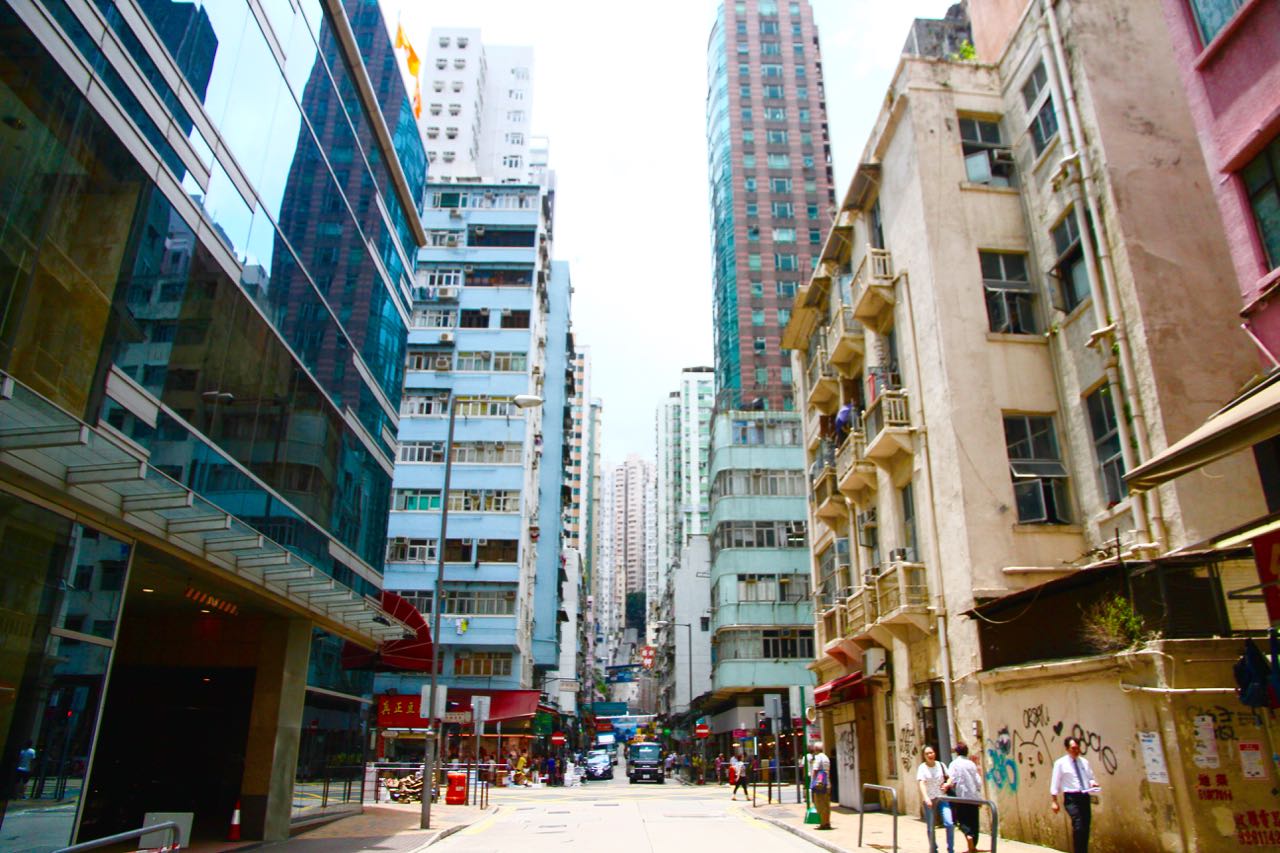
Tsim Sha Tsui
Tsim Sha Tsui is a cape on the tip of the Kowloon Peninsula, facing Victoria Harbour, opposite Central Hong Kong. It’s a major tourist hub with loads of shops and restaurants catering to tourists and many of Hong Kong’s museums. With the highest concentration of hotels in Hong Kong, including big-name chains like Shangri-La, Sheraton and Intercontinental, it has a more high-end feel to it. Tsim Sha Tsui is also home to famed shopping streets Nathan Road and Canton Road and a must-do tourist attraction, The Avenue of Stars. I found Tsim Sha Tsui a bit boring and lacking that Hong Kong soul I wanted to experience while I was there. We found this area nice to visit for a few hours but quickly ran out of things to do and couldn’t wait to get back to Causeway Bay, after spending part of the day here we had done it all.
Find places to stay in Tsim Sha Tsui here
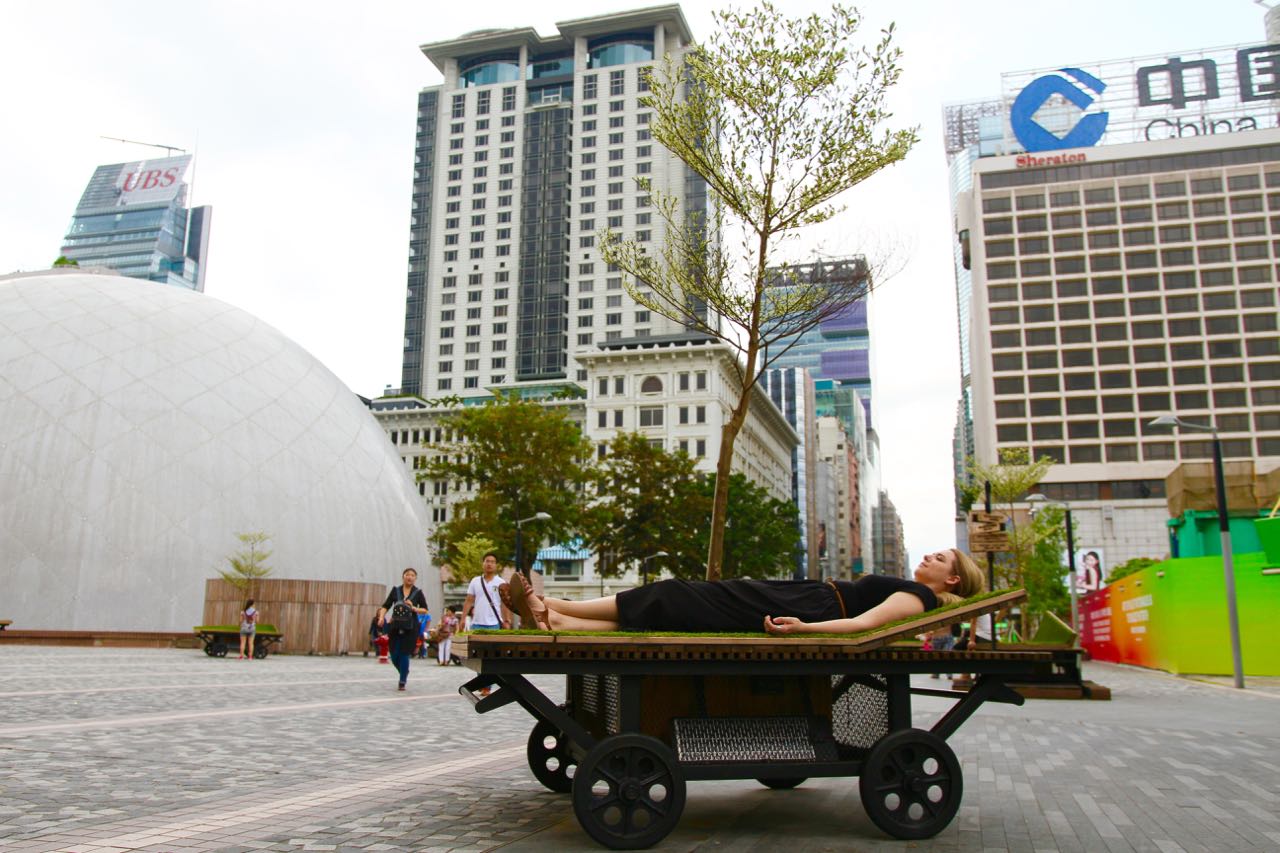
Mong Kok
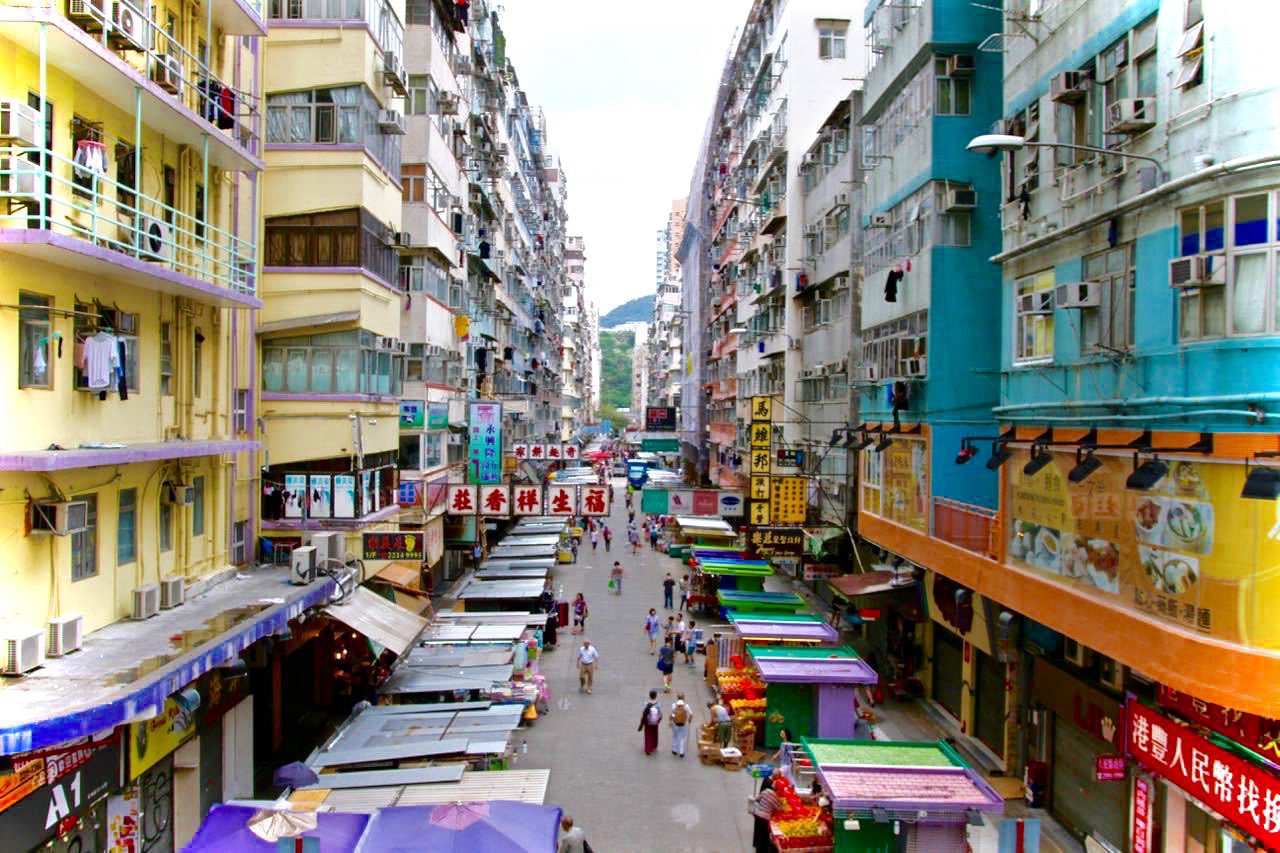
Located in the western part of the Kowloon Peninsula, Mong Kok is probably the place you might recognise from movies as an area run by gangs. It has that typical Hong Kong movie set look to it, straight out of your imagination. It has a high population density and loads of bars, nightclubs, massage parlours and shops. It has a very low-key traditional feel to it with quite a few street markets and famous tourist areas including sneaker street, Yuen Po Street bird garden, ladies market, flower market and goldfish market. It has a cheap feel with heaps of small shop fronts, wet and dry markets and boutique stores. Mong Kok is the kind of place you go to find cheap handbags and snuggles to haggle over with market vendors. It was great spending a day wandering around all the different markets, but after we had seen it all we were happy to get back to slightly classier Causeway Bay.
Find places to stay in Mong Kok here
Getting around
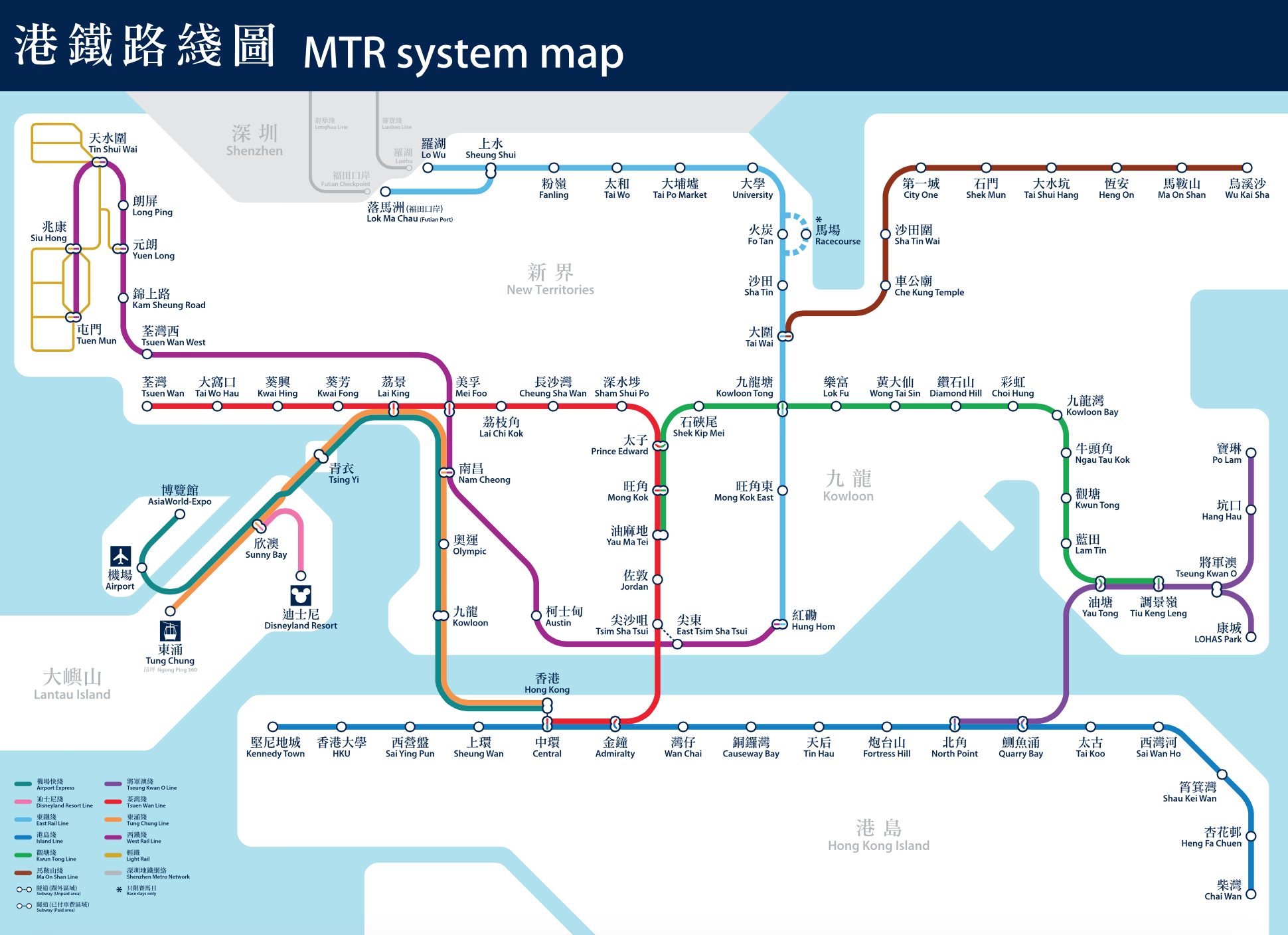
To help you get oriented and work out how to get around, here’s a copy of Hong Kong’s MRT System Map. For the latest version, you should consult Hong Kong’s MRT website as this map may be out of date.
Best travel resources for your trip!
If you found this post useful, please use the affiliate links below. I’ll make a small commission at no extra cost to you. Rest assured, these are the products and services I love and use. Read the disclaimer for more information. Thanks for your support! – Matt.
Agoda – hotels
Booking.com – hotels
Cover-More – insurance
DiDi – rideshare
Motorhome Republic – RVs
Discover Cars – rentals
Simify – SIM cards
Skyscanner – flights
Surfshark – VPN
TourRadar – tours
Welcome Pickups – transfers