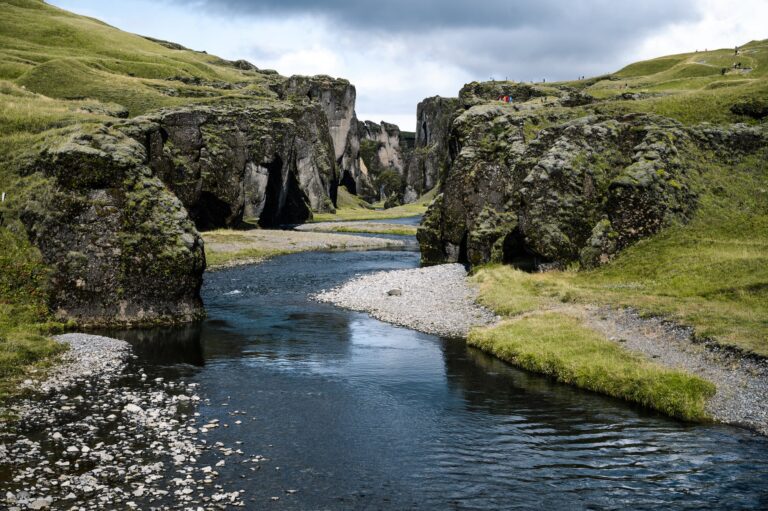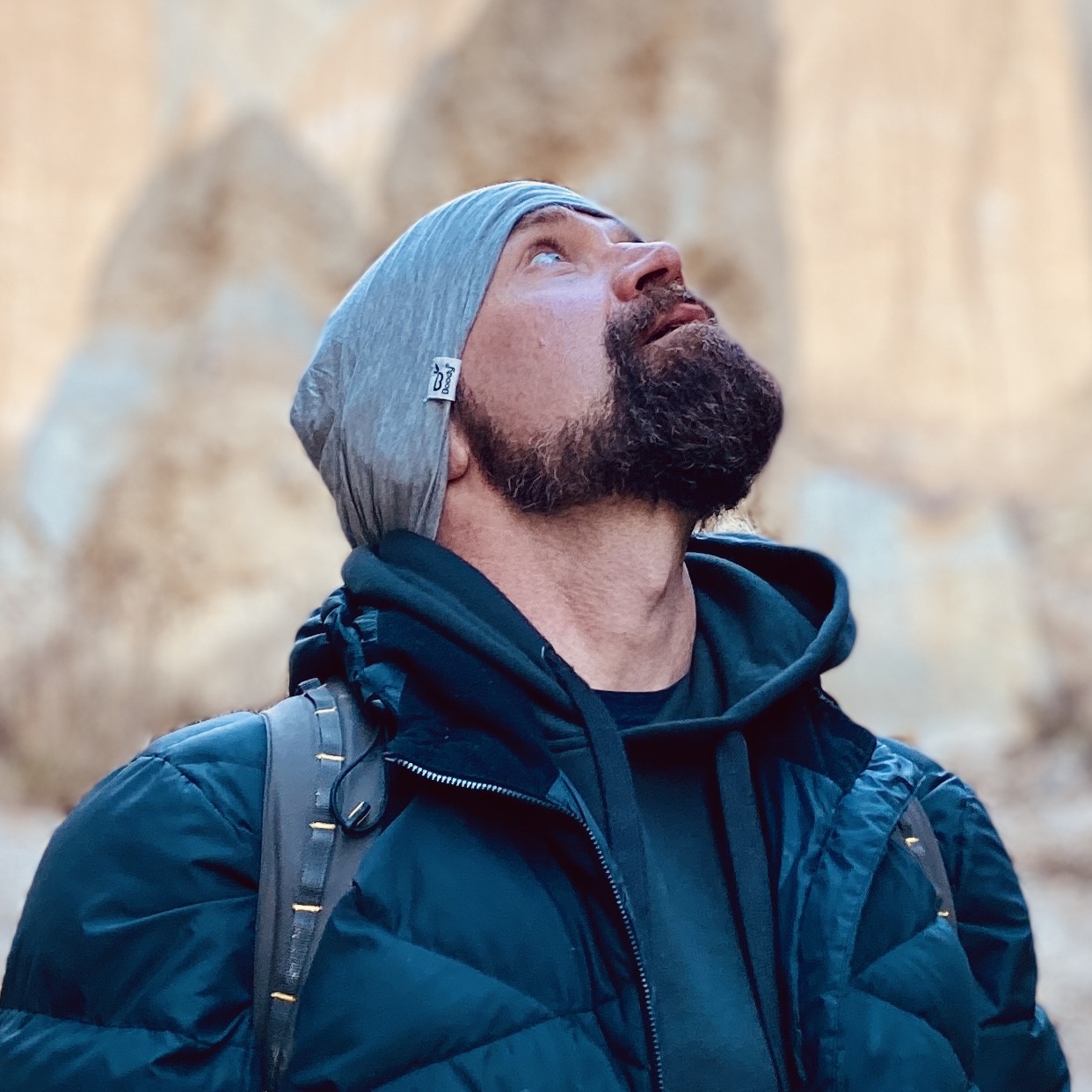
Without a doubt, Iceland is one of the most naturally beautiful places I have ever visited and one of my favourite destinations ever. Not only are the people a happy, smiling bunch but the food is yummy and the landscape is breathtaking. If you haven’t thought of visiting this magical place before, do some research because it really is a ‘must-do’.
I recently shared a blog post about my Icelandic road trip and a guide on things to do and see in Reykjavik and beyond. One of the hard parts of planning for the trip was deciding what to pack! I come from Brisbane, where our winter temperatures hover just above the Icelandic summer temperatures. Ruh-roh. Unfortunately, airlines don’t take too kindly to you packing 50 kilograms worth of thermal underwear, so not only do you have to pack appropriately for your trip to Iceland… but you also have to pack smart!
What you pack will depend heavily on the time of year you visit, so please keep that in mind when reading the list below. It’s also really important to take into account your own health concerns, as the temperatures can get very low. If you’re planning a trip to Iceland and have no idea what to pack, I’ve put together this quick guide to help you! If you’ve been to Iceland before and have some more tips, please share them in the comments below.
But first, watch this…
What’s the weather like and when to visit
We visited in July, which falls during the Iceland summer season. The average temperature in the southern parts of Iceland, where we visited, is 10-13°C (50-55°F) and a warm summer day can reach 20-25°C (68-77°F). If you are planning on visiting in colder months, the average temperature in winter is around 0°C (32°F).
Low Season
October to April makes travel by road a little more difficult as a number of roads may close due to bad weather. However, the cold does bring with it the possibility of spotting the Northern Lights and fun winter activities like skiing and visiting ice caves.
Shoulder
May and September are on the shoulder of the high season, which makes them a better time to visit if you’re travelling on a budget. The weather is still a little cold, with occasional snow, but the days are longer.
High Season
June to August is the high season and when visitors flock to Iceland, particularly Reykjavik. Accommodation prices increase and it can be expensive and difficult to find somewhere to stay, as we found. But the endless daylight and summer festivals really do make it a beautiful time to visit.
What to pack
Warm clothing
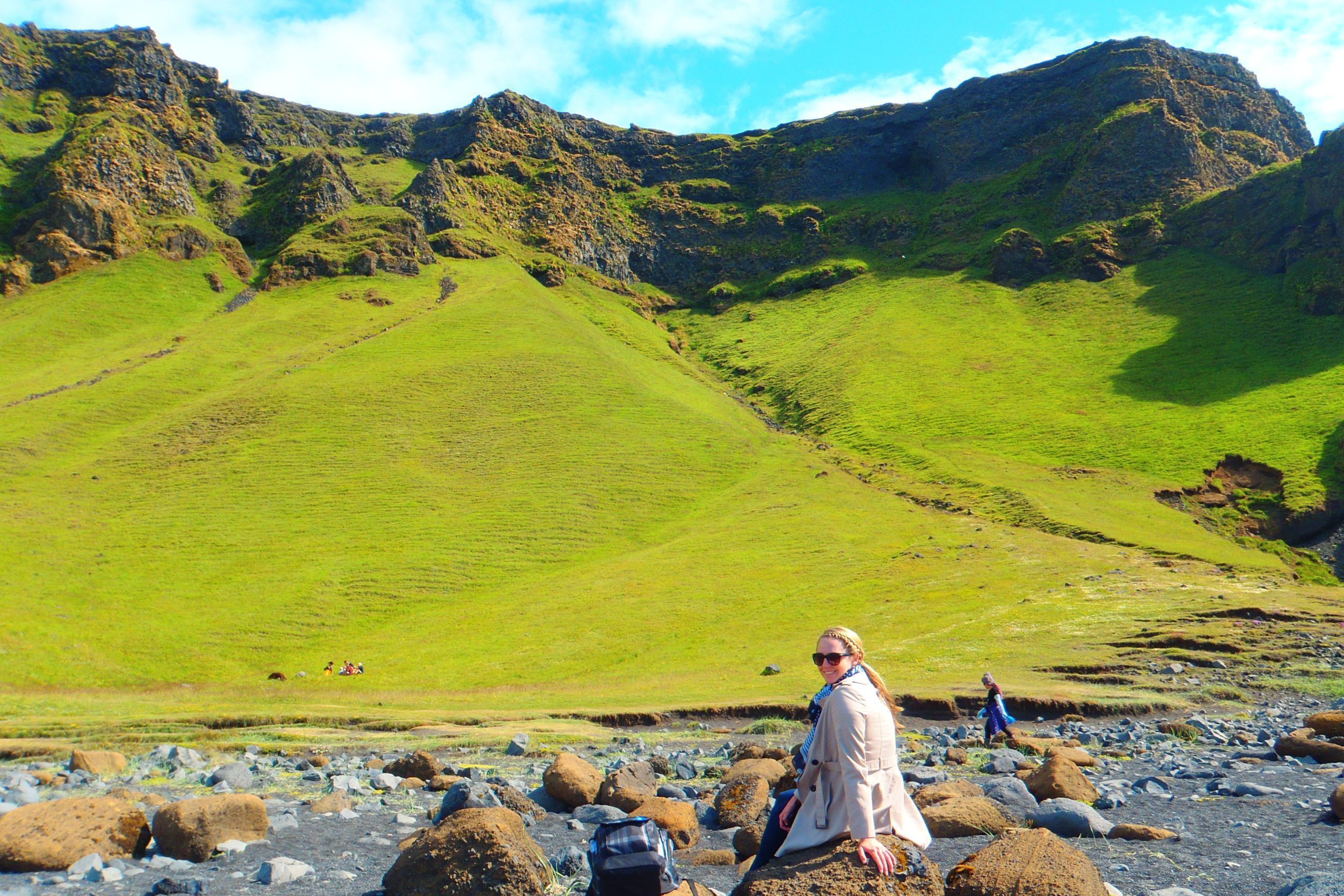
You should pack a fleece jacket, woollen sweaters, chunky knitwear and other warm items you can layer, like scarves and singlets/vest tops. Warm legwear is important too, ladies may like to think about packing thick stockings to layer under jeans, and thermal underwear is a good idea. It’s important to pack good quality, warm socks as well as gloves and a beanie. These are especially important to have for outdoor activities like boat tours and glacier hikes. I would also recommend packing one very thick, very warm coat that is, preferably, waterproof.
Smart clothing
The people of Reykjavik are very fashionable! So, if you’re planning on having a nice dinner out you should pack one or two smart outfits to dress up a little bit. Just make sure you can swaddle yourself in warm clothing over the top. If you’re looking for tips on where to eat, visit my Icelandic road-trip post.
Comfortable footwear
Things get pretty slippery when you’re walking up to a waterfall as the gravel and rocks get very wet, so it’s important you wear sensible shoes that have good traction. Not only that, but they should be closed-in to keep your feet warm. Because your shoes can get wet quite easily, it might be a good idea to look at waterproof shoes of some sort or pack a spare pair to change into so you aren’t stuck in freezing-cold shoes if your feet get wet.
? In preparation for your trip, consider buying some key North Face Outdoor Apparel here.
Sun protection gear
You’ll need sunglasses, as it gets quite hazy, and you should pack a hat and sunscreen with high SPF. I don’t leave the hotel without putting this on my face and this on my body. Remember, sunscreen is only as good as its user and it’s up to you to reapply during the day to ensure you don’t get burned. Remember, cloudy days mean UV rays! Don’t be deceived if there’s no sun, you can still burn.
Medicine bag
Pack a small medicine bag with all your prescription medicines and essentials, just in case you become ill late at night or can’t find a pharmacy. My kit always includes paracetamol, ibuprofen, antihistamine, cold and flu medicine, travel-sickness tablets, Imodium, hydralyte, pocket tissues, band-aids, hand sanitiser and wet wipes.
Swimwear
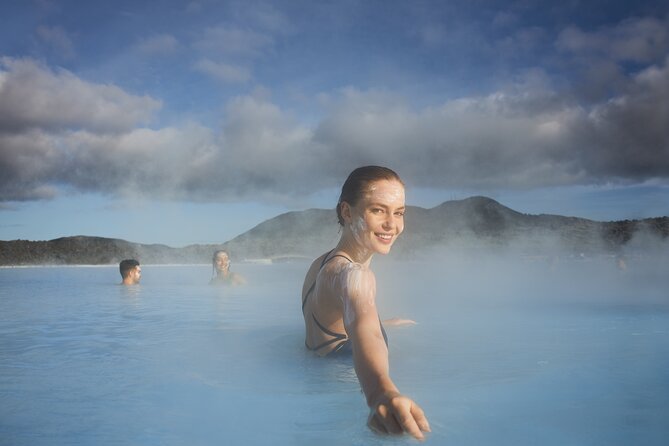
If you are planning on visiting the thermal pools, which you really should, you’ll need your swimmers to get in. Don’t forget to pack aqua-ear medicine, goggles, a swimming cap or whatever else it is you usually like to swim with.
Rain gear
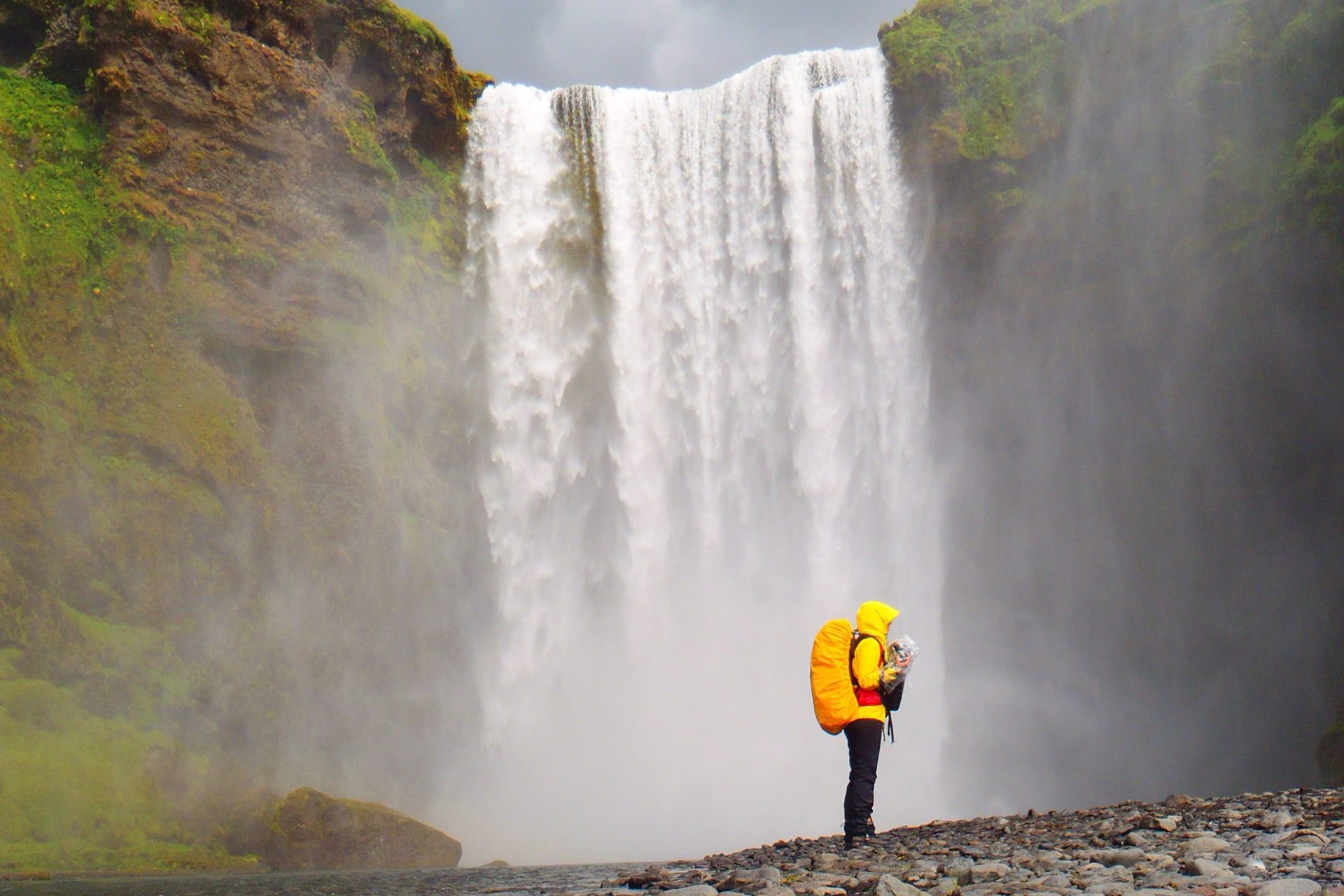
Be sure to pack a raincoat, umbrella or other waterproof gear as it does rain quite often and you’ll be very cold if your clothes get wet.
Camera gear
If you have one, pack your best camera gear as you could get some fantastic footage and photographs! I also recommend packing your tripod as there are some truly beautiful places you’ll want to capture to the very best of your ability. Consider packing a spare memory card as well.
Flashlight
Put a mini flashlight in your luggage, just in case you break down and it’s dark. This is especially important if you’re visiting during the winter months.
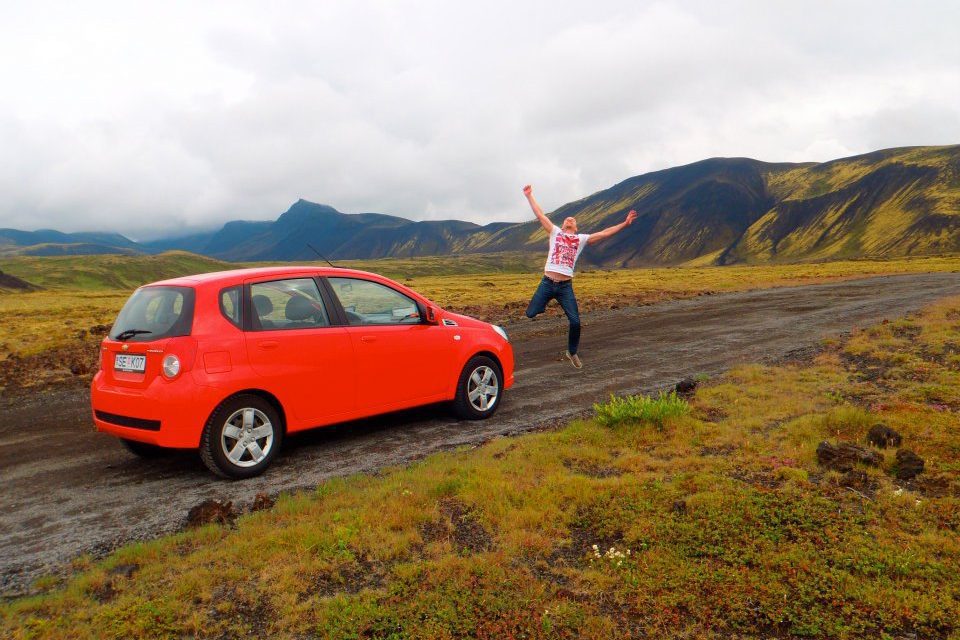
If you plan to hire a car we recommend booking it here
Day bag
Pack a smaller backpack or day bag you can throw all your gear into for day trips. You’ll probably need to carry a few things around with you, like water bottles, scarves, beanies, gloves, cameras etc and will need somewhere to put those things while you’re exploring waterfalls.
Beauty products
You’ll need to pack beauty products that help you stay ahead of the cold. Things like a moisturiser, lip balm for chapped lips, cracked heel balm and hand balm or moisturiser. I found my hands really dried out and started to hurt, so had to layer on balm all the time.
Eyeshades
If you are visiting in summer you absolutely must pack eyeshades or an eye mask to help you sleep! The sun is always up. Always.
Thermos
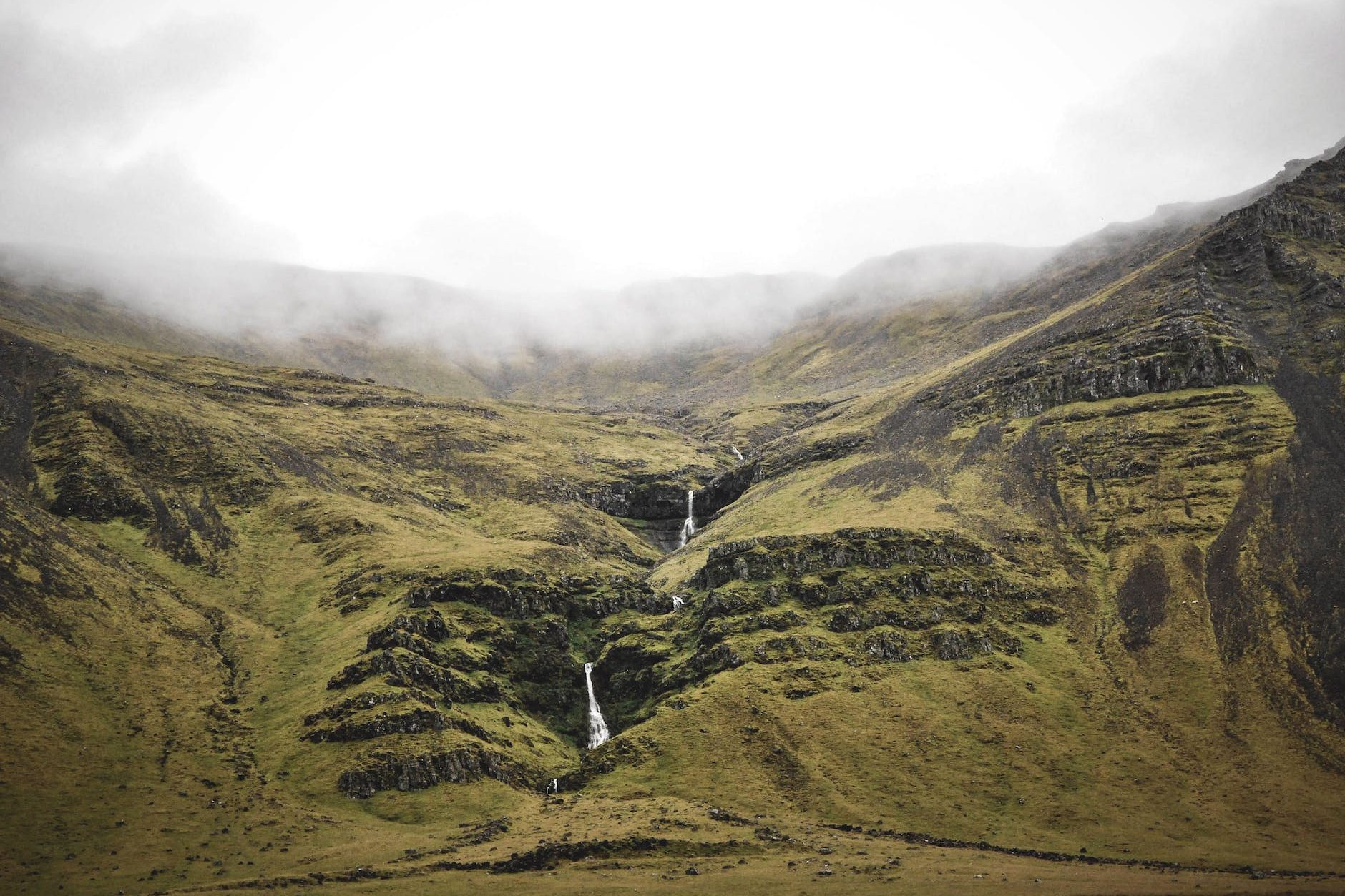
I really recommend packing a Thermos that you can fill up with tea or coffee. While you’re driving around you can pull over and have a lovely hot cup of tea or coffee in front of something beautiful, it’ll be a once-in-a-lifetime experience and a great memory. You might also like to pack some snacks for your road trips and a throw rug from your hotel that you can snuggle up under while you have a picnic.
Power adaptors
In Iceland, they use the Europlug, which is the one with the two round prongs. Be sure to pack an outlet converter so you can charge all your electronics.
If you forget something…
There are several outdoor apparel stores and second-hand clothing shops that can be found in downtown Reykjavík along with Flying Tiger Copenhagen, a budget variety store with cheap accessories like sunglasses, gloves, ear plugs, batteries, luggage accessories, phone chargers and more. Another good option for toiletries, clothing and other general items is Hagkaup, a large grocery and department store located at the Kringlan Shopping Mall and in the Skeifan area of Reykjavík.
My packing tips and travel hacks
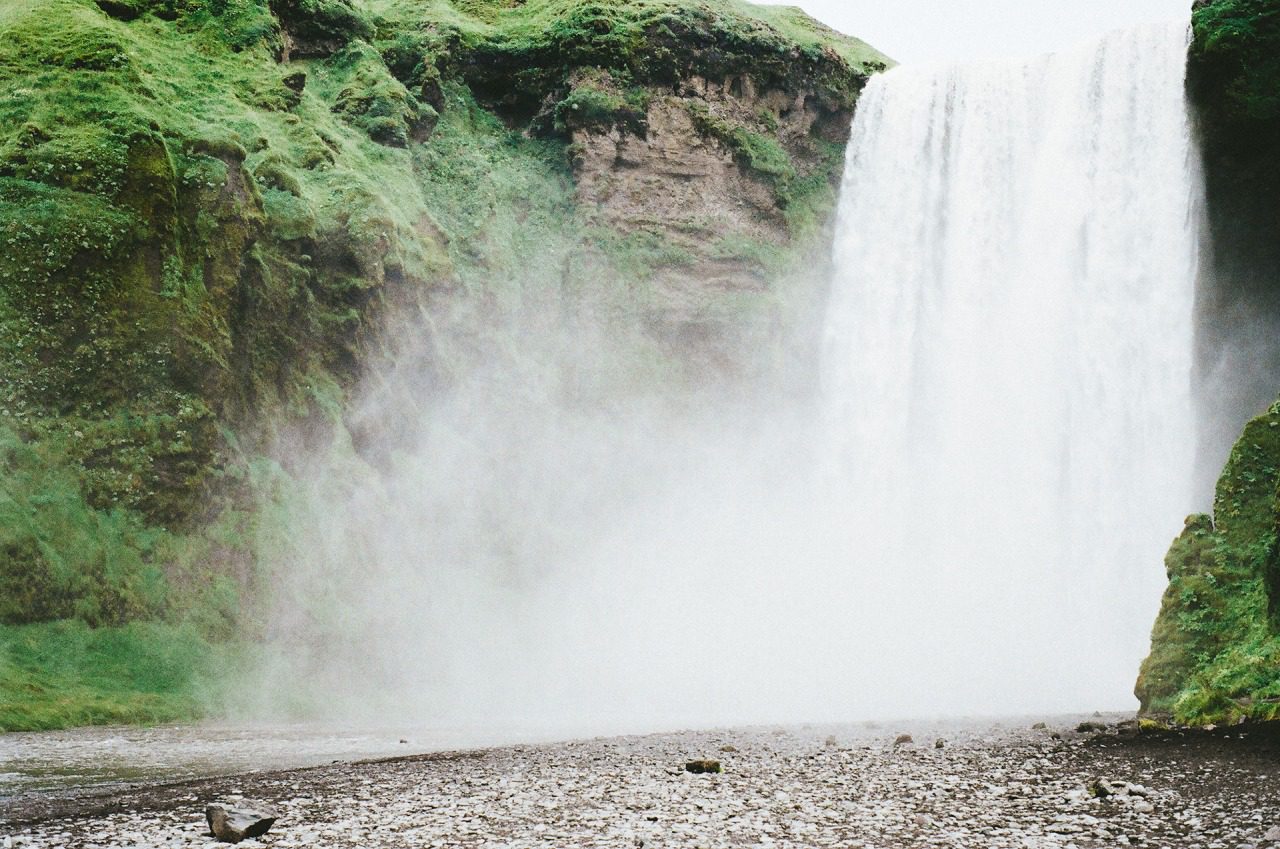
A few tips and tricks to help you hack your pack!
Eco-friendly bags
Stash some eco-friendly bags and reusable sandwich bags in your luggage, they come in so very handy for storing dirty shoes and clothes as well as bars of soap, wet swimwear or leaky toothpaste tubes!
Hard plastic containers
I use Tupperware or similar hard plastic containers to put all my toiletries in. This ensures no leaks will destroy my clean clothes and makes it really easy for me to grab my toiletries in one easy swoop, keep them together in the hotel and makes re-packing easier too. I also use a small container for all my jewellery and another one for electronics like adaptors, cords and chargers. It keeps me organised and stops me from losing things!
If you’re a frequent traveller, consider Priority Pass. As a subscriber, you get VIP access to over 1,400+ airport lounges in more than 600 cities across 148 countries.
Dryer sheets
Put dryer sheets in your suitcase to keep your clothes smelling good throughout the whole trip. If you don’t have dryer sheets, a few drops of essential oil on a tissue, laid flat in-between layers of clothes, works wonders. I also have a little bottle of spray that instantly freshens up clothes, it’s from The Laundress and it’s amazing! No musty-smelling clothes for you, my friend.
Charging station
If like me, you travel with a laptop, two cameras, a phone, and a watch, then you’re going to need more than one power outlet. Buy one outlet converter and take a power outlet board from home with multiple plug-ins on it. It makes life so much easier!

Get connected with a local SIM card from Simify.
Get it delivered before you leave home, ensuring you’re able to connect and navigate as soon as you arrive + find great things to do on the go!
Best travel resources for your trip!
If you found this post useful, please use the affiliate links below. I’ll make a small commission at no extra cost to you. Rest assured, these are the products and services I love and use. Read the disclaimer for more information. Thanks for your support! – Matt.
Agoda – hotels
Booking.com – hotels
Cover-More – insurance
DiDi – rideshare
Motorhome Republic – RVs
Discover Cars – rentals
Simify – SIM cards
Skyscanner – flights
Surfshark – VPN
TourRadar – tours
Welcome Pickups – transfers