Johannesburg is unlike anywhere else I’ve been before. As South Africa’s biggest city and one with a rich history, there’s a lot to see, do and experience. Once home to Nelson and Winnie Mandela as well as Desmond Tutu, Jozi offers a wide array of experiences from museums and monuments to bustling hipster neighbourhoods and artisanal markets. From the vibrant streets of Soweto to the restaurants and cafes of Parkhurst, Johannesburg has a lot to offer travellers. If you’re planning a trip or thinking about visiting one day, here’s everything you need to know about Johannesburg travel.
Is it safe for travellers in Johannesburg?
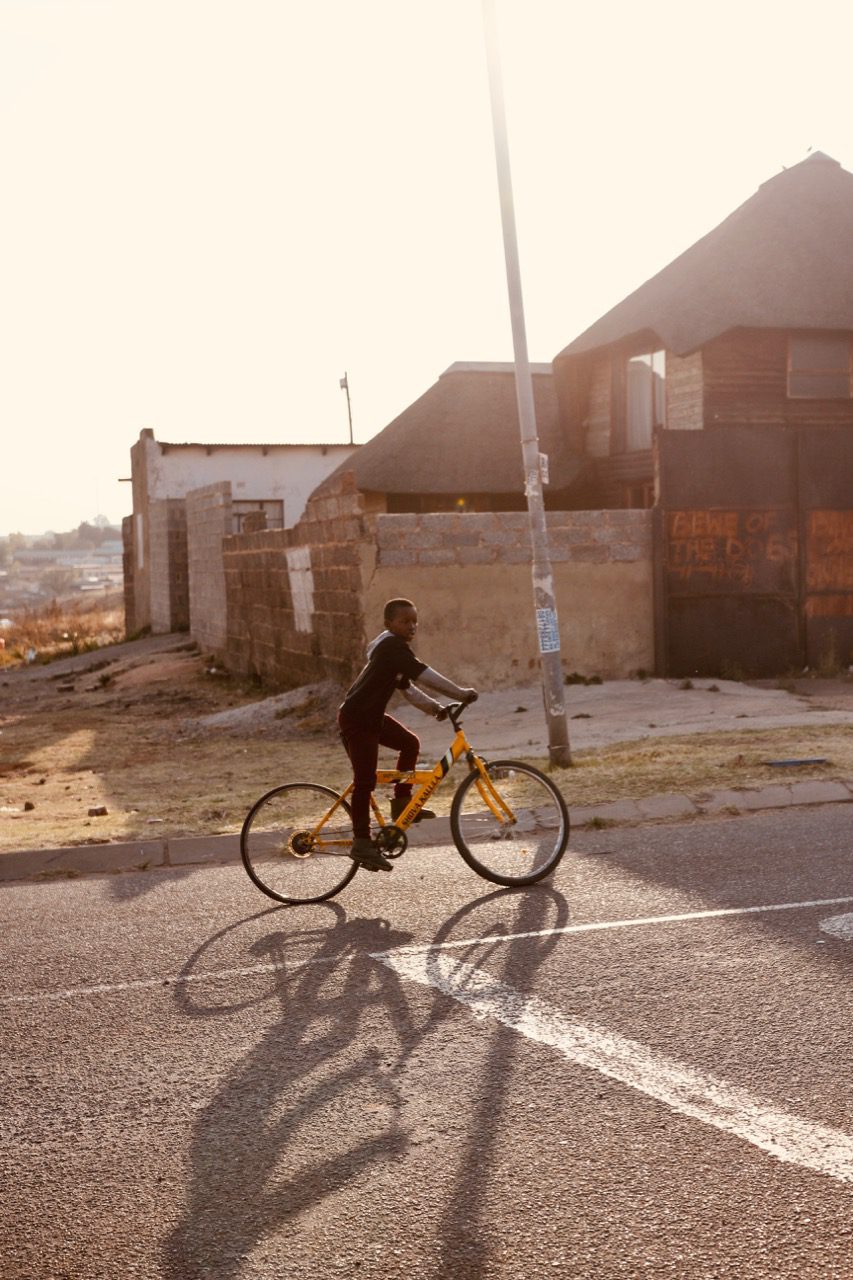
I can only speak to our experience visiting Jo’Burg. We were with a local guide the entire time and didn’t have any scary moments. There wasn’t any point where we felt unsafe or saw something dangerous happen. I understand some local’s and other travellers may have a different experience or opinion, which is why I was unsure what to expect before our trip. But, our experience was nothing but positive. We had an experienced local guide who we listened to and trusted wholeheartedly. We followed the same safety precautions we take when visiting any big city and didn’t have a single safety concern. In my opinion, based solely on the experience I had, I believe travellers can visit Jo’Burg safely.
How to get there
We flew to Cape Town with Singapore Airlines, making our way from Cape Town to Jo’Burg and then back to Singapore again as part of our #SquadSQ trip. Travellers can fly directly from Singapore to Johannesburg with Singapore Airlines and, if you’re planning a trip and need an airline recommendation, Singapore Airlines is the way to go. To break up the trip we flew from Australia to Singapore, where we spent two days exploring, then onward to Cape Town. Our experience was fantastic thanks to Singapore Airlines exceptional service, comfortable seats, delicious food and great entertainment. With a big flight like this one, it was important for us to feel comfortable and be as rested as possible so we could make the most of the time we had when we arrived and going with a full-service airline made all the difference. Visit Singapore Airlines here.

What’s the best way to see Jo’Burg?
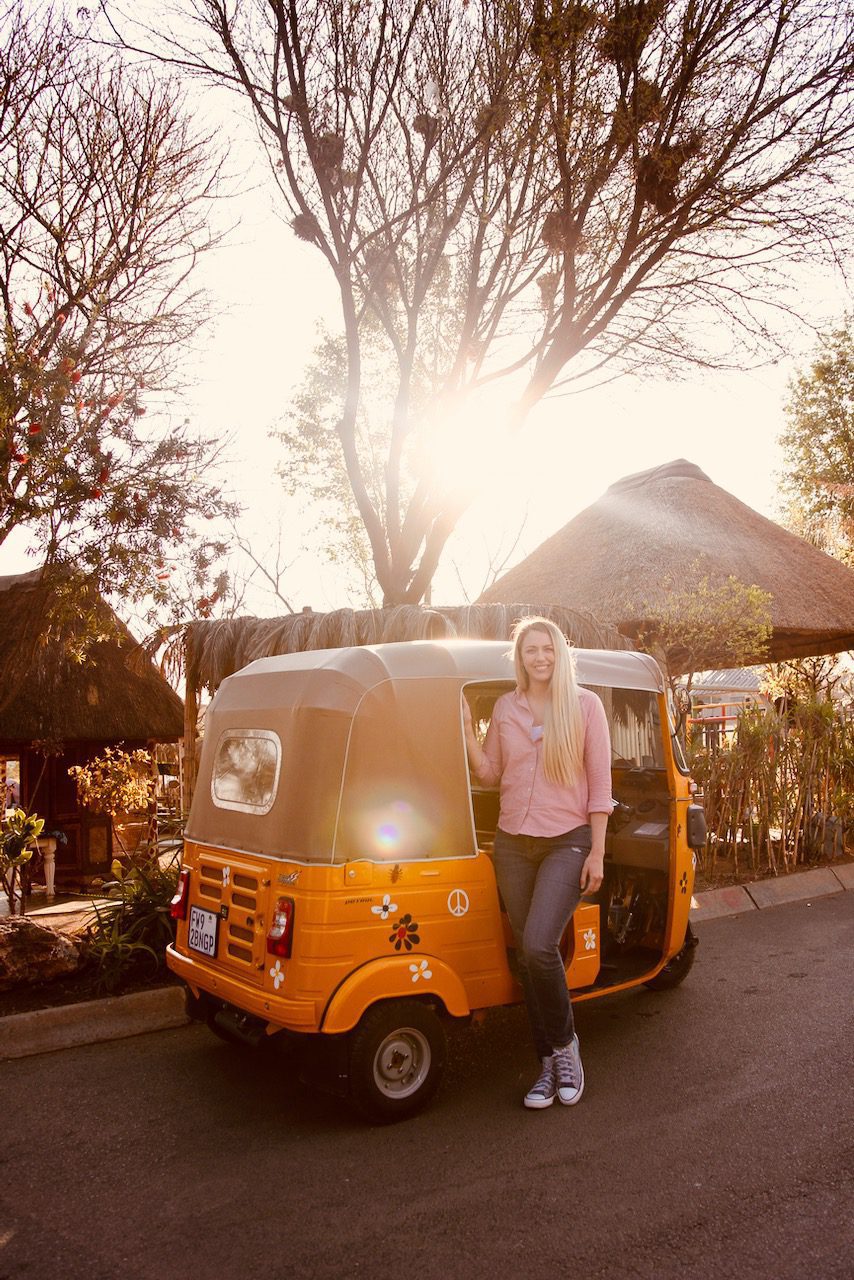
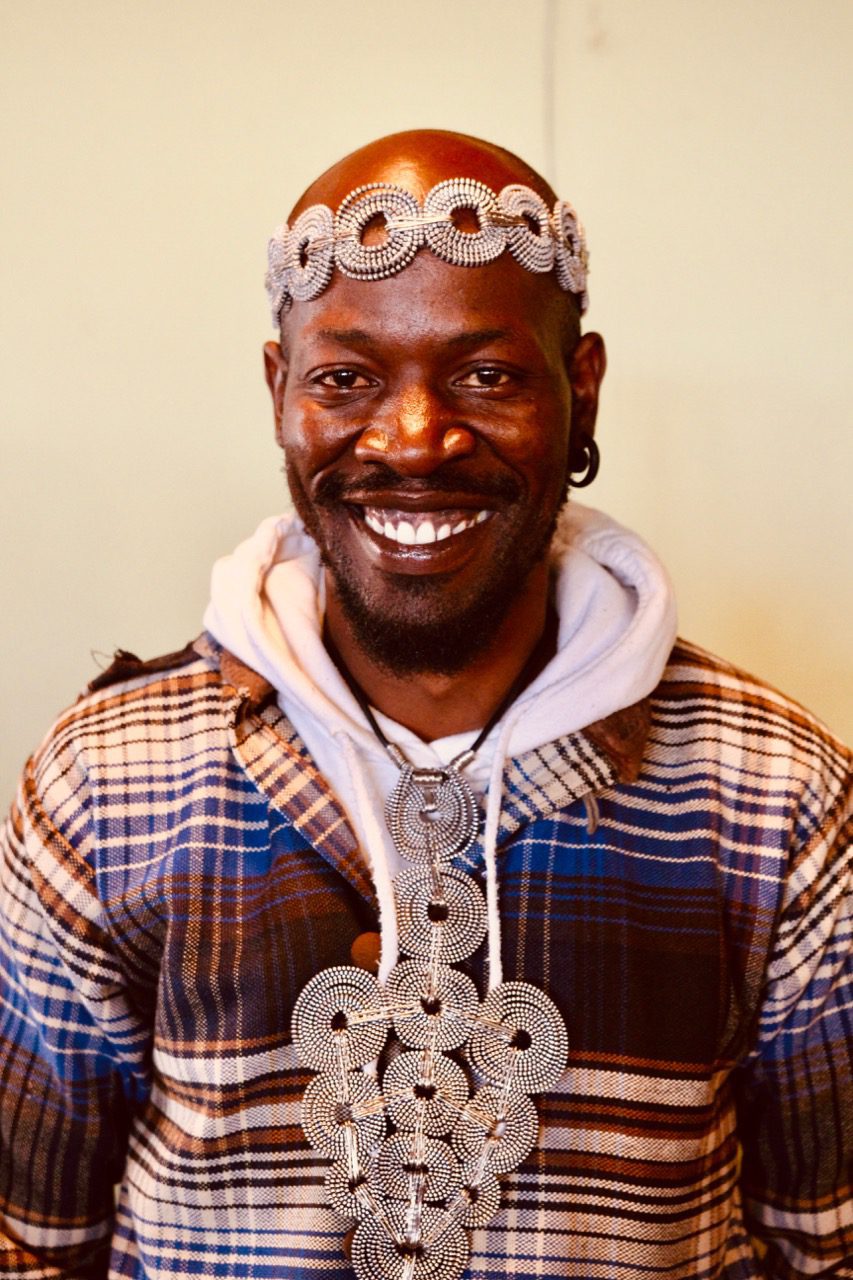
There are a number of reasons to organise a guided tour for your trip to Jo’Burg. Of course, safety is one of them but in addition to that, we found our guide made our experience so much better in general. April had an amazing historical knowledge of all the places we visited, which ensured we learned a wealth of information and gained a deeper appreciation for what we were seeing. Having a guide took the guesswork out of everything as our days were pre-arranged and all we had to do was show up and have a great time. Not only that, but April’s amazing energy, his ability to speak 11 languages, his big and vibrant smile made us feel right at home and enriched our time in Jo’Burg. Our guide was booked through Springbok Atlas Safaris & Tours.

When’s the best time to visit?
We visited in late August/early September and found the weather to be great. It wasn’t too hot or too cold and we had great the weather each day. In general, it’s recommended to visit from around March to May and from September to November as the weather is generally good and there are fewer visitors which means cheaper rates.
Where should I stay in Jo’Burg?
Where you choose to stay in Johannesburg is going to depend on your travel style, personal preferences and budget. We stayed at a hotel in Melrose and, from what I understand, most travellers choose to stay in Melrose and Rosebank. These upmarket areas boast an abundance of gorgeous hotels to choose from as well as loads of great restaurants, cafes and shops nearby. Other popular areas you may like to look at include Sandton, Melville, Rivonia and Bryanston. Now, I mentioned personal preferences at the start of this section and that’s because, when we were in Soweto, we visited a very popular backpackers that looked amazing! So, if you’re after a completely unique experience, Lebo’s looks amazing!
Best things to see, do and eat in Jo’Burg
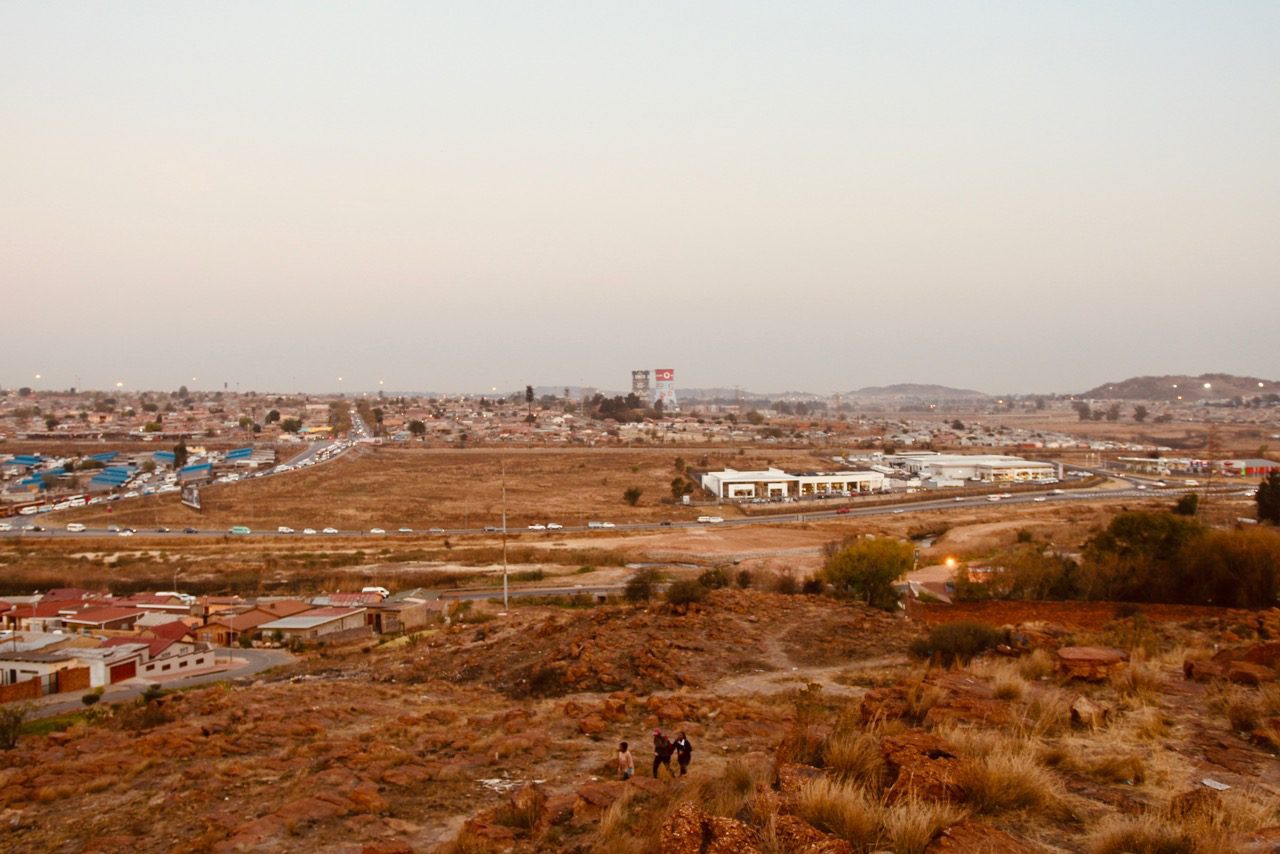
There’s a wealth of great things to see, do and eat in Johannesburg. To get you started, here’s a look at some of the best:
- We did a guided tour of Soweto with Lebo’s and it was the highlight of our trip
- Feast on some of the best braai (bbq) in town at upmarket spot, Marble
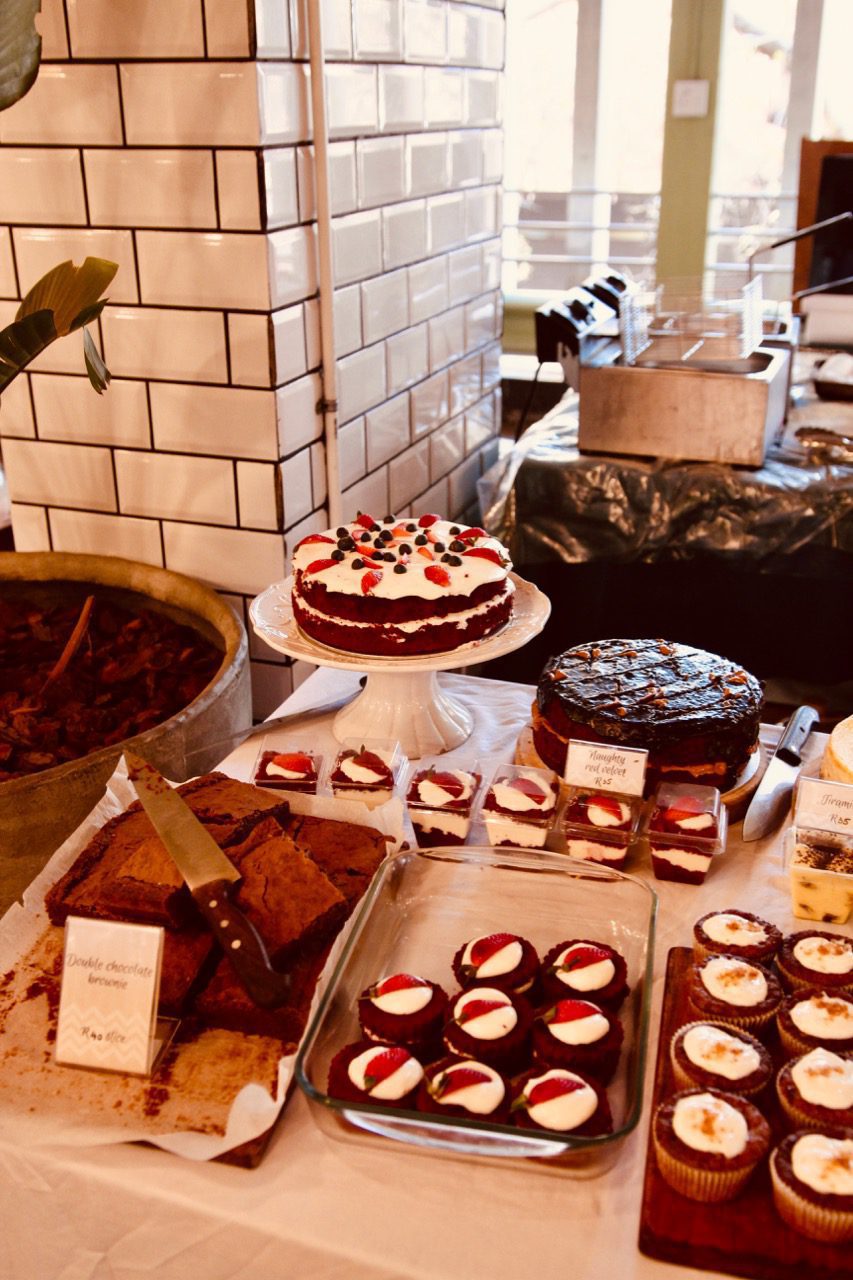
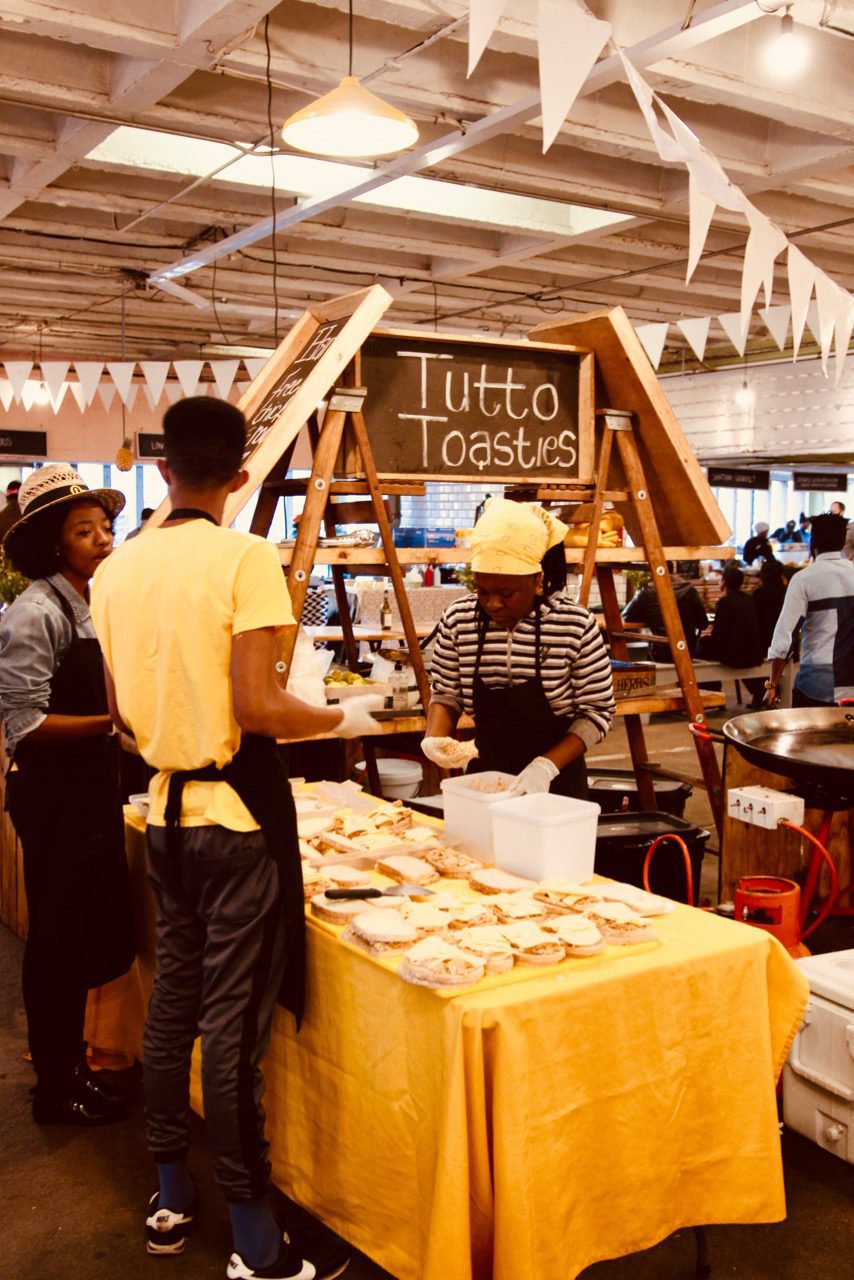
- Be sure to visit the amazing Neighbourgoods market for amazing food and unique clothing, jewellery and more
- Visit one of South Africa’s most important historical sites, Constitution Hill
- Sink down a few fantastic craft beers and delicious tapas at Mad Giant
- Head to 27 Boxes and explore the shipping crate world of galleries, boutiques and more
- Explore Market on Main where you can sip delicious coffee, try new food and scoop up arts, crafts and clothes
- Be sure to take the time to visit Soweto to see Nelson Mandela and Desmond Tutu’s houses
- Delve into the city’s deep history with a visit to the Apartheid Museum
- Animal lovers will love visiting Lion & Safari Park, a 500-acre space home to lions, cheetahs, wild dogs and more
- Experience a vibrant culture and delicious food at the Lesedi Cultural Village
- Grab a delicious dinner and incredible cocktail at Coobs in trendy Parkhurst
- If you’ve got enough time, be sure to look into doing a safari – ours was life-changing!
What to pack
Get your packing sorted with this list of essential items for your trip to Johannesburg:
- Comfortable walking shoes like sneakers
- A couple of pairs of jeans
- I needed a couple of warm jumpers during our visit
- A really good quality coat for chilly evenings
- T-shirts and long-sleeve or button-up shirts
- A few nice outfits for dinner at nice restaurants
- Swimmers to take advantage of the hotel pool or spa
- All your essential medicines, including prescriptions

Get connected with a local SIM card from Simify.
Get it delivered before you leave home, ensuring you’re able to connect and navigate as soon as you arrive + find great things to do on the go!
Best travel resources for your trip!
If you found this post useful, please use the affiliate links below. I’ll make a small commission at no extra cost to you. Rest assured, these are the products and services I love and use. Read the disclaimer for more information. Thanks for your support! – Matt.
Agoda – hotels
Booking.com – hotels
Cover-More – insurance
DiDi – rideshare
Motorhome Republic – RVs
Discover Cars – rentals
Simify – SIM cards
Skyscanner – flights
Surfshark – VPN
TourRadar – tours
Welcome Pickups – transfers